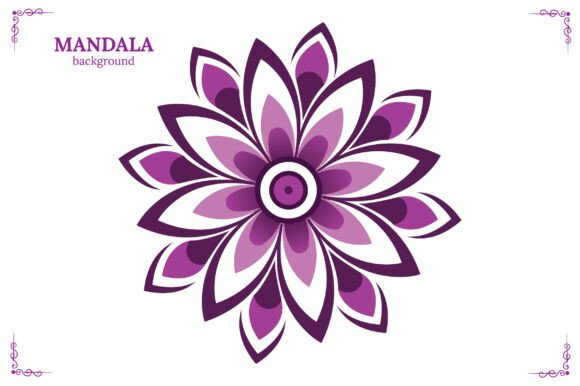
Coloring Flower Mandala Design Vector: Graphics & Backgrounds
As a brand designer who’s built visual systems for wellness coaches, indie publishers, and handmade product brands over the past 12 years—and as a content marketer who’s launched 47+ digital campaigns—I opened Coloring Flower Mandala Design Vector expecting whimsy. What I found was something sharper: a quietly versatile graphic design asset that bridges mindfulness aesthetics with professional marketing utility.
First Impression: Calm With Clear Intent
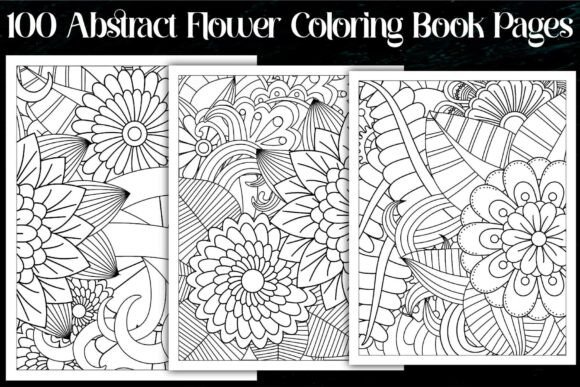
The moment it loaded in Illustrator, I felt the balance—organic flow without visual noise. This isn’t a chaotic kaleidoscope; it’s a structured, floral mandala built from 100 vector shapes, each cleanly separated and fully color-changeable. It lands somewhere between artisanal and elevated: warm enough for yoga studios and herbal tea brands, precise enough for boutique editorial newsletters or premium digital product launches. The mood is grounded serenity—not passive, but intentionally centered. That makes it ideal for brands building trust through calm authority: online coaches, mental wellness apps, slow-living bloggers, and eco-conscious product creators.
Where It Earns Its Place in Real Campaigns
Last month, I used Coloring Flower Mandala Design Vector to refresh the visual identity for a small-batch candle brand launching their “Spring Equinox” limited edition. We needed campaign headers, Instagram story templates, printable thank-you cards, and email banners—all unified by one cohesive visual thread. This asset became our anchor.
- Brand identity: Used as a subtle watermark behind minimalist logo lockups—softens luxury cues without diluting clarity.
- Social media graphics: Scaled seamlessly into Instagram carousels and Pinterest pins—especially effective when overlaid with short affirmations or product benefits in clean sans serif.
- Packaging design: Printed on kraft paper inserts at 15% opacity—adds texture and intention without competing with typography or ingredient lists.
- Digital ads: Paired with bold headline copy on Facebook and Google Display—its symmetry creates instant visual hierarchy, guiding the eye toward the CTA.
- Lead magnets & Canva templates: Integrated into editable Canva templates for clients—because it’s 100% vector-based and AI/EPS sourced, resizing never degrades quality, even at 300 DPI for printables.
What It Delivers for Marketing Goals
This isn’t just decoration—it’s functional branding infrastructure. When applied deliberately, Coloring Flower Mandala Design Vector strengthens first impressions by signaling care and craftsmanship before a single word is read. Its radial structure naturally reinforces visual hierarchy, helping audiences parse information faster. Because every shape is individually editable, you can align colors precisely with your brand palette—no guesswork, no muddy overlays. That consistency builds audience trust across touchpoints, whether it’s a blog header or a sticker on a subscription box.
It also deepens emotional connection. Mandalas carry subconscious associations with balance, focus, and renewal—ideal for content marketing around self-care, seasonal transitions, or creative reset campaigns. And because it’s inherently scalable and color-flexible, it supports professional branding without requiring custom illustration budgets.
Best Fit Scenarios (and Why)
Coloring Flower Mandala Design Vector shines brightest in these high-impact uses:
- Hero graphics for landing pages promoting mindful products or services
- Campaign headers for email sequences tied to solstices, retreats, or journal launches
- Branded templates sold as part of a design bundle for coaches or creatives
- Social media covers that subtly reinforce brand ethos without shouting
- Decorative brand elements—think watermarks on PDF workbooks, dividers in media kits, or borders on printable planners
Where to Proceed With Intention
Like any strong creative design, this asset demands context-aware application. Avoid using it in formal corporate branding (think law firms or fintech dashboards), dense information layouts (e.g., comparison tables or feature grids), or text-heavy mobile ads where fine linework may blur. It’s not ideal for overly minimal brands that rely on stark negative space—or for low-contrast backgrounds where its delicate details vanish. And while beautiful at scale, test readability in thumbnail sizes: intricate mandalas can lose definition below 200px width.
Practical Brand Designer Notes
Before deploying Coloring Flower Mandala Design Vector in client work or your own campaign:
- Test it against your full brand color palette—not just primary hues, but neutrals and accent tones.
- Check black-and-white usage: Does it retain legibility and balance when desaturated? (Spoiler: Yes—but confirm with your specific version.)
- Place it inside real campaign mockups: website headers, Instagram post frames, Canva newsletter templates.
- Preview on mobile screens: Does spacing hold? Do petals feel cramped or airy?
- Compare against competitor visuals—does it differentiate or blend in?
- Pair it with font families: It harmonizes beautifully with soft serifs (like Playfair Display), clean sans serifs (Inter, Poppins), and gentle script fonts—but avoid heavy display or rigid geometric type.
- Review spacing and balance: Vector flexibility means you can delete or isolate petal groups to simplify for tighter layouts.
- Confirm commercial license terms—this is essential for paid campaigns, client deliverables, or inclusion in a digital product or design assets pack.
In short, Coloring Flower Mandala Design Vector is more than a coloring page turned background—it’s a strategic, scalable, emotionally intelligent graphic design asset. For small business branding, content marketing, and modern design execution, it delivers precision, warmth, and versatility in equal measure. Whether you’re designing packaging accents, building a social media content kit, or refreshing your editorial visuals, this vector is a quiet powerhouse—ready to elevate your message without ever stealing the spotlight.